Exotic Edibles
Safe Plants

October 2005
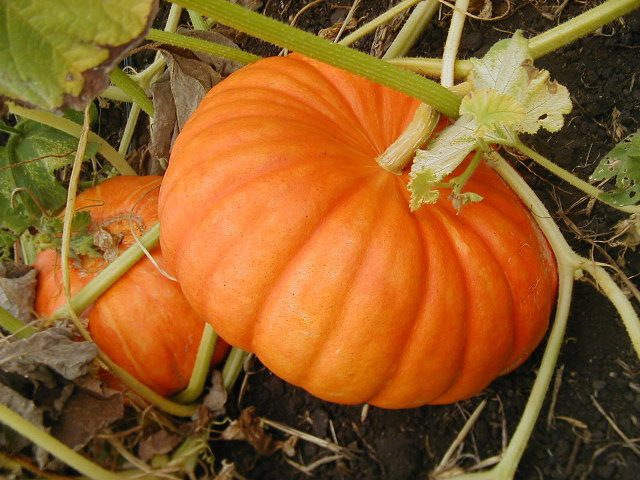
Rouge d’Etampes Pumpkin – “Cucurbita pepo” Origin: France We just got done this morning pulling the last of these pumpkins out of our garden…this year was a bumper crop! Also

Exotic Edibles

Japanese Fiber Banana – Musa basjoo
Origin: Japan
The claim to fame for this banana is the fact that it is cold hardy. It’s roots can handle down to –10 degrees F so it can be grown outdoors in a protected site as far north as zone 5. The four to six foot long leaves are bright green and slender, forming a distinctive, umbrella-like plant. Outdoors, the Japanese Fiber Banana grows between six and fourteen feet in height. If kept in a container, it will stay closer to six feet. The yellow flowers it produces are some of the most beautiful of the bananas. The flowers are followed by small, green, unpalatable fruit (at least by human standards).
Bananas are wonderful plants to have around animals. They are non-toxic and quick-growing. The Japanese Fiber banana works well indoors or out. If you are planning to grow it outside, here are a few tips:
#1. For a container grown banana, chop the pseudostem right off at pot level when frosty temperatures start to wither the foliage. Then store the container in a cool, dark place until spring arrives. Water it occasionally (every two to four weeks). In the spring, when new shoots begin to come up from the top or sides, return the banana outdoors.
#2. If the container and banana are too heavy to move, or if you are growing the plant in the ground, dig it up before the first frost. Leave most of the soil around the roots and wrap them in a black plastic bag. Store the banana in a dark, frost-free place until spring planting time. When storing a banana this way, don’t remove the leaves or cut the stem; let them dry and brown naturally.
#3. In zones 5 through 8, you can protect the banana and leave it in the ground all winter. In fall, just after the first frost, cut off the blackened leaves at their bases, leaving the trunk-like psuedostem. Pile mulch around the base of the plant. Then tie sheaves of straw around the stem with garden twine, add a layer of black plastic, tack the edges down, and then wrap the whole thing with burlap. Unwrap the banana in early spring when the night-time temperatures rise into the 40s and the last frost has passed.
#4. If you have space in your house, you don’t have to force your banana into a dormancy but can grow it as a houseplant.
Make sure that its in a location that gets plenty of bright light and don’t forget to mist it daily to prevent spider mites.
For more banana info, check out the tropical plant section at this website.
Rouge d’Etampes Pumpkin – “Cucurbita pepo” Origin: France We just got done this morning pulling the last of these pumpkins out of our garden…this year was a bumper crop! Also
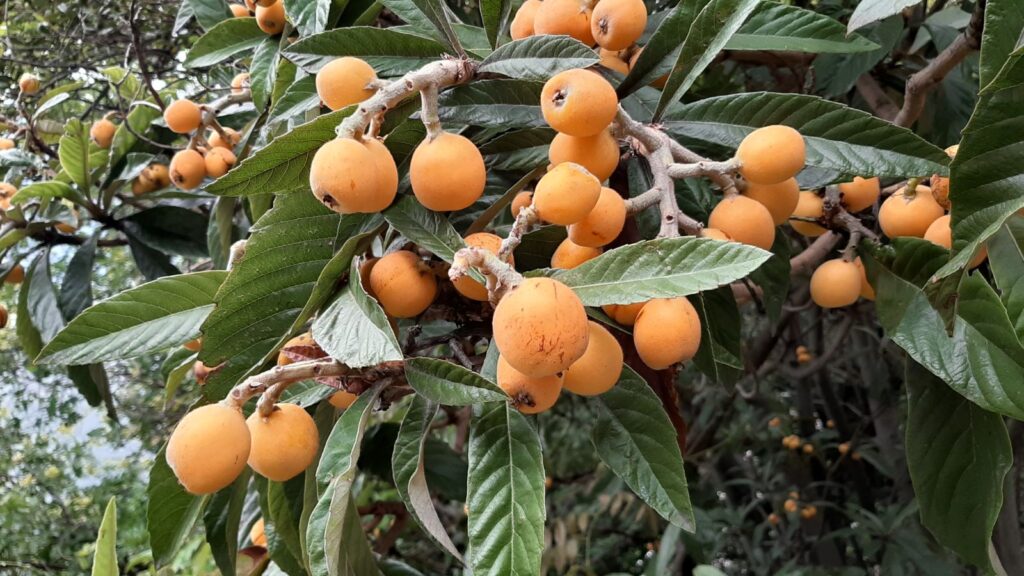
Loquat – Eriobotrya japonica Origin: China Last month I gave a plant talk at the Erie Cage Bird Association. Afterwards, the club held a raffle of plants which I had

Thai Hot Peppers aka “Thai Dragons” – Capsicum frutescens Origin: Asia Hot peppers have gained in popularity over the past few years, due in part to the fact that even