Ten Rules for Edible Flowers
Eat flowers only when you are positive they are edible. Just because it is served with food does not mean a flower is edible. Eat only flowers that have been grown organically. Do not eat flowers from florists, nurseries or garden centers. If you have hay fever, asthma or allergies, do not ear flowers. Do not eat flowers picked from the side of the road. They are contaminated from car emissions. Remove pistils and stamens from flowers before eating. Eat only petals. Not all flowers are edible. Some are poisonous. There are many varieties of any one flower. Flowers taste differently when grown in different locations. Introduce flowers into your diet the way you would new foods to a baby – one at a time in small quantities.
Top Ten Edible Flowers
Calendula – aka Pot Marigold – Calendula officinalis — These annuals have a slightly bitter
tasted. The petals are more often used for their color than for flavor. Calendula has often been called the “poor man’s saffron”.
Chives – Allium schoenoprasum — Don’t be deceived by the delicate beauty of these perennial flowers, they can be quite flavorful with an oniony bite to them. Chives are among the most versatile of all edible flowers.
Daylily – Hemerocalis spp. — Although not a true lily, the name describes the flower perfectly. Each bloom lasts for only one day. Dried Daylily petals are an ingredient in Chinese hot and sour soup.
Mint – Mentha spp. — Mints are hardy perennials, growing from one to three feet tall. Mints are distinguished by their square stems, which often have a reddish hue.
Nasturtium – Tropaeolum majus — The spicy, peppery flavor of its flowers and cress-like tasting leaves, makes this plant a wonderful accompaniment to salads, vegetables, pasta, meat dishes and even sorbets.
Pansy – Viola x Wittrockiana — Please see May 2005 Featured Plant of the Month!
Rose – Rosa spp. — Romans can be credited with introducing rose petals to the world. This was much to the chagrin of the peasants who customarily used the rose hips. However, if the petals are picked, no hips will grow.
Sage – Salvia officinalis — For centuries, this perennial was reputed to have great curative
and healing properties. Both leaves and flowers can be consumed.
Signet Marigold – Tagetes signata — These annuals are native from New Mexico to Argentina. The flavor of the signets is the best of any marigolds, almost like spicy tarragon.
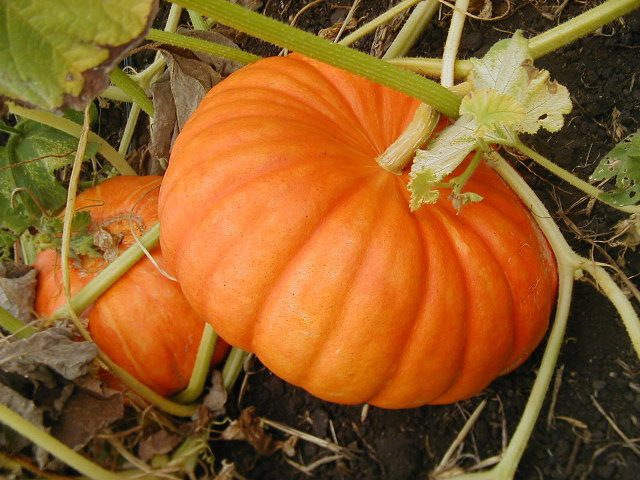
Squash Blossom – Curcubita pepo spp. — Native Americans grew both summer and winter squash long before the Spanish brought other varieties to the Americas. The most commonly consumed is the zucchini flower.