Exotic Edibles
Safe Plants

October 2005
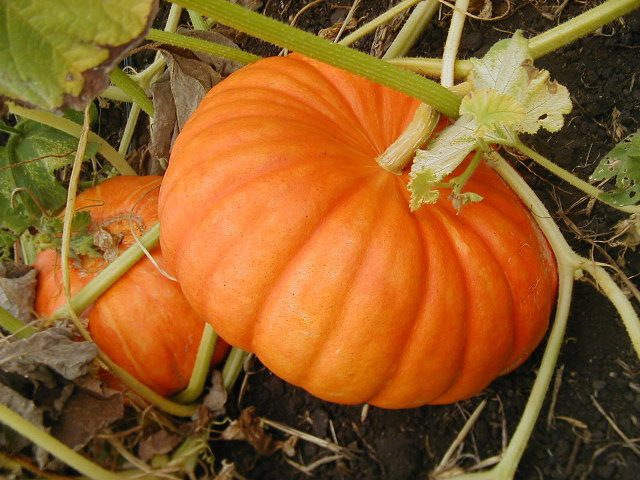
Rouge d’Etampes Pumpkin – “Cucurbita pepo” Origin: France We just got done this morning pulling the last of these pumpkins out of our garden…this year was a bumper crop! Also

Exotic Edibles

Lime Basil – Ocimum americanum
Origin – United States of America
Now that we are getting into autumn, it’s time to be setting your windowsill garden to spice up those long winter days for you and your pets. You can even add a taste of the tropics with the rich citrus flavor of Lime Basil. This newly developed herb combines regular basil with a striking twist of lime. Its wonderful flavor adds interest to desserts and salads as well as providing enrichment for bored kitties.
Sow the seeds about 1/16″ (just barely below the surface) deep in a light weight potting mix. Place the pots on a heat mat or in your windowsill. Keep watered. Germination usually takes 14 to 21 days at about 70 degrees F. Transplant into larger pots when the seedlings get their second leaves. Basil likes temperatures above 60 degrees F and sunny locations. When it is a few inches tall, pinch off the top leaves to encourage branching and a fuller plant (but never pinch more than 1/3 of the plant).
Normally, basil is considered an annual, however; Lime Basil is an exception to the rule and will over-winter fairly well. So you should be able to get two seasons out of this year’s basil.
So now that you’ve got a bumper crop of Lime Basil, here are some ideas on how to use it:
Mash together the garlic, basil, chives, and shallot until a paste is formed. Add to a food processor along with the mustard, vinegar, salt & pepper. Mix well. Slowly drizzle the oil in a steady stream while the processor is running until the ingredients are fully emulsified.
Courtesy of www.chefsgarden.com
Rouge d’Etampes Pumpkin – “Cucurbita pepo” Origin: France We just got done this morning pulling the last of these pumpkins out of our garden…this year was a bumper crop! Also
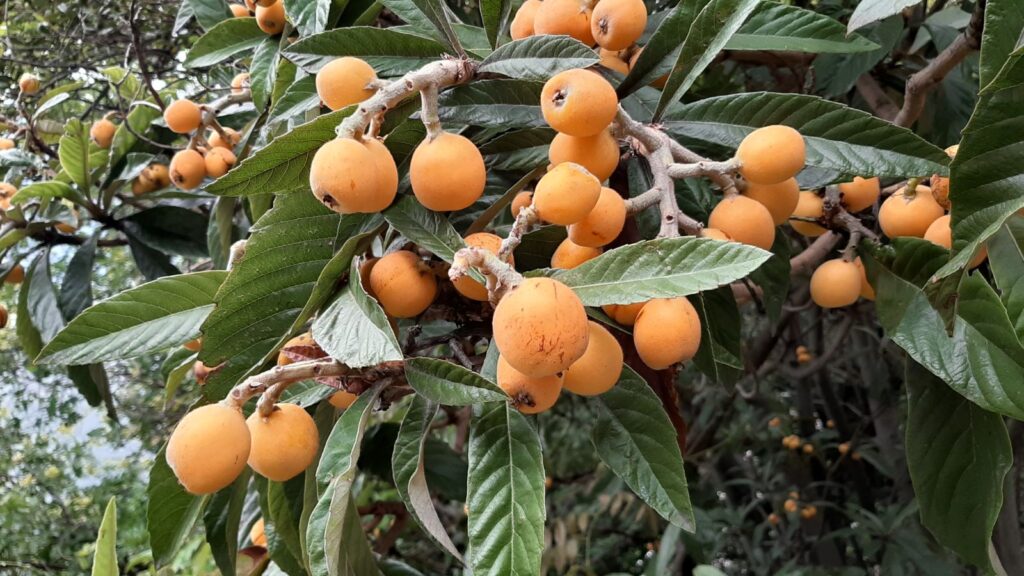
Loquat – Eriobotrya japonica Origin: China Last month I gave a plant talk at the Erie Cage Bird Association. Afterwards, the club held a raffle of plants which I had

Thai Hot Peppers aka “Thai Dragons” – Capsicum frutescens Origin: Asia Hot peppers have gained in popularity over the past few years, due in part to the fact that even