Exotic Edibles
Safe Plants

October 2005
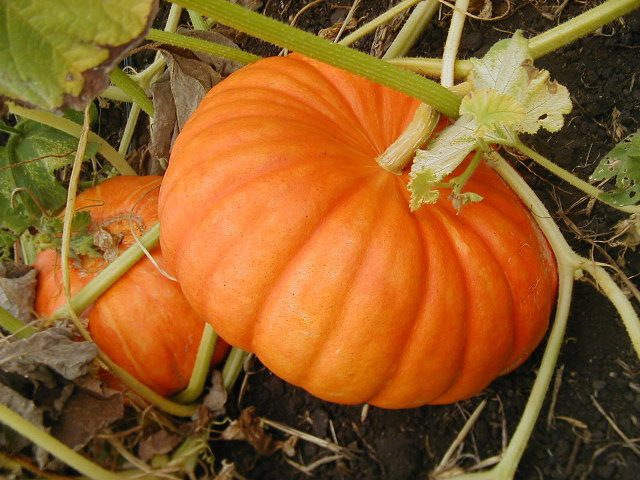
Rouge d’Etampes Pumpkin – “Cucurbita pepo” Origin: France We just got done this morning pulling the last of these pumpkins out of our garden…this year was a bumper crop! Also

Exotic Edibles
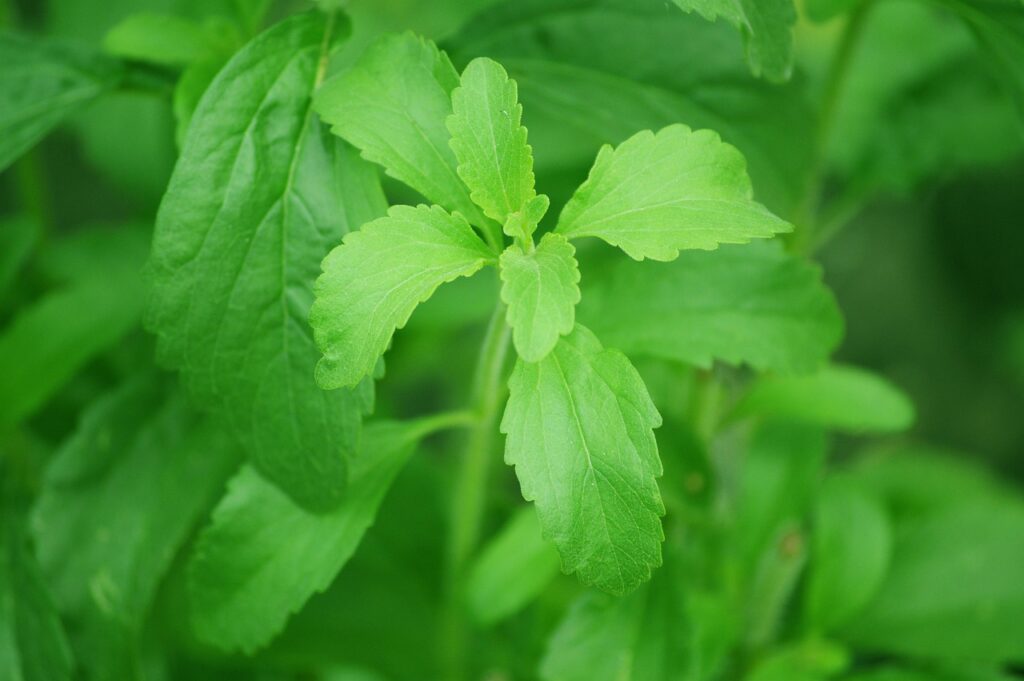
Stevia – Stevia rebaudiana
Also known as Caa’he-e (Ca-he-he) by South American Indians
Origin – Paraguay and Brazil
This herb which grows wild as a small shrub is one of the world’s sweetest kept secrets. It’s leaves have been used as natural sweetener since Pre-Columbian days. Countries such as Japan, Brazil, China all utilize it as a superior replacement for sugar. An all natural herb, Stevia, has been through dozens of tests around the world and found to be completely non-toxic. It won’t raise blood sugar levels and in studies conducted at Purdue University’s Dental Science Research Group, it significantly inhibited the formation of plaque. For folks who have pets with a “sweet tooth”, Stevia is a great option. My birds and my beagle all enjoy sampling a leaf.
Stevia is a perennial often grown as an annual since it is not the easiest plant to over-winter. In my opinion, it’s benefits far outweigh the extra effort. Here are some tips for container growing:
Not only will your pets enjoy the benefits of Stevia, but you can use it in place of sugar in many recipes (1 tsp crushed or powdered leaves equals 1 cup refined sugar) or to sweeten teas, coffee, etc.
Rouge d’Etampes Pumpkin – “Cucurbita pepo” Origin: France We just got done this morning pulling the last of these pumpkins out of our garden…this year was a bumper crop! Also
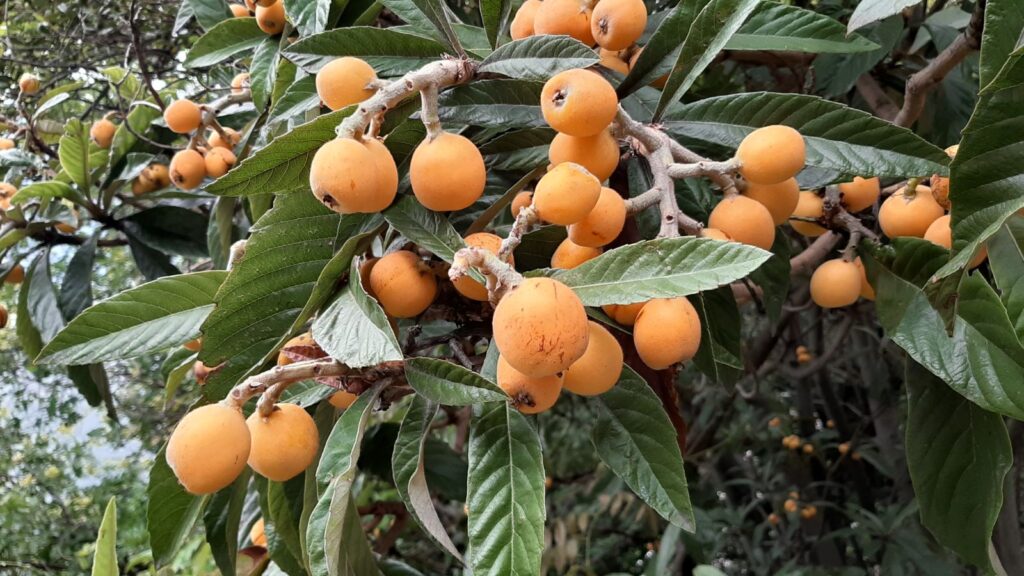
Loquat – Eriobotrya japonica Origin: China Last month I gave a plant talk at the Erie Cage Bird Association. Afterwards, the club held a raffle of plants which I had

Thai Hot Peppers aka “Thai Dragons” – Capsicum frutescens Origin: Asia Hot peppers have gained in popularity over the past few years, due in part to the fact that even