Exotic Edibles

Safe Plants

October 2005
Rouge d’Etampes Pumpkin – “Cucurbita pepo” Origin: France We just got done this morning pulling the last of these pumpkins out of our garden…this year was a bumper crop! Also

Exotic Edibles

 DANDELION FESTIVUS (…not that there’s anything wrong with being a Dandelion!)
Being a Dandelion is a mixed blessing. On the one hand, farmers and groundskeepers curse it as a troublesome weed, while those into holistic medicine search it out as a remedy for a multitude of
ailments. So what’s the bottom line…at least as far as your pets and neighboring wildlife are concerned?
Well, there’s no clear-cut answer. It seems that in the animal kingdom (as with humans) the Dandelion is either loved or despised. To make things a little easier, I’ve decided to make up a
Dandelion Scorecard, which ranks the preferences of various fauna for the plant officially known as Taraxacum officinale.
For human consumption, here are a few thoughts:
Early Spring Salad – The young leaves of the Dandelion are a tasty addition, along with shallot tops, lettuce and chives to a spring salad.. You may want to blanch them (the same way as endive) to obtain a more delicate flavor. Helpful Hints – Use just the young leaves since the full-grown leaves are way too bitter. Gently tear the leaves rather cut them to retain the flavor. You can season with salt, pepper and a little lemon juice to vary the taste.
Dandelion Veggie Style – The young leaves may be boiled a la Spinach fashion. Simply tear the
leaves, rinse several times, and place into boiling water for approximately one hour. When cooked, drain and then place back onto low heat. Add one tablespoon butter, one teaspoon chopped onion and ½ clove of chopped garlic, stir for two minutes, remove and serve. Helpful Hints – Instead of using onion and garlic, you may want to substitute a teaspoon of grated lemon peel and season to taste with grated nutmeg. Another idea is to use half Spinach and half Dandelions, but make sure to partially cook the Dandelions first since it takes longer than Spinach.
Dandelion Coffee – Use only roots collected in the Fall. Carefully clean and dry the roots then slightly roast until they are the tint of coffee. Now they can be ground up ready for brewing. Dandelion Coffee is a natural beverage without the injurious side effects to the nerves and digestive system. It stimulates but does not cause wakefulness. Helpful Hints: For different flavors, you can mix the Dandelion grounds with a portion of coffee or even chocolate.
Dandelion Wine – This was a beverage that my grandma use to concoct and boy, was it tasty…and potent! Pour a gallon of boiling water over a gallon of the Dandelion flowers. After stirring well, cover with a blanket and let stand for three days. Then strain, and boil the liquor down for thirty minutes, adding 3 ½ pounds of loaf sugar, approximately ¼ cup sliced ginger, one sliced lemon, and the rind from one orange. Cool down. When cold, add a pinch of yeast which is placed on a piece of toast into the mixture to produce fermentation. Cover again and allow to stand for two days until it has stopped working. Place into a cask, well sealed for two months to “age” before bottling. This has the reputation of being a good tonic, especially for the blood.
And finally a recipe from “The Young Housekeeper’s Friend” circa 1859.
Dandelion Ranch Fare – Wash leaves very thoroughly and put in boiling water with salt in it.
When tender, remove, drain, and then dip into bread crumbs moistened with a beaten egg. Brown on a griddle and serve hot.
Rouge d’Etampes Pumpkin – “Cucurbita pepo” Origin: France We just got done this morning pulling the last of these pumpkins out of our garden…this year was a bumper crop! Also
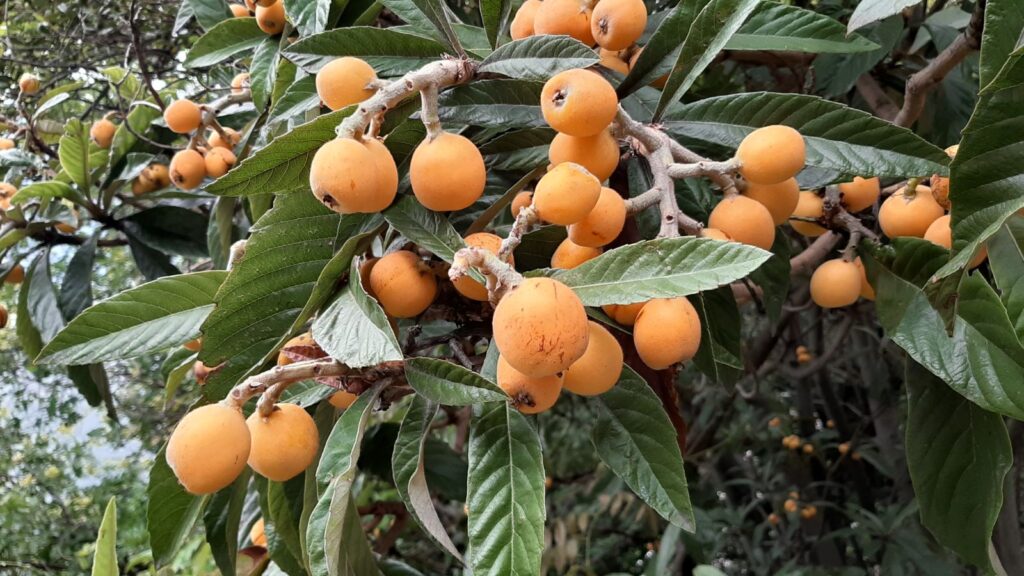
Loquat – Eriobotrya japonica Origin: China Last month I gave a plant talk at the Erie Cage Bird Association. Afterwards, the club held a raffle of plants which I had

Thai Hot Peppers aka “Thai Dragons” – Capsicum frutescens Origin: Asia Hot peppers have gained in popularity over the past few years, due in part to the fact that even