Exotic Edibles
Safe Plants

October 2005
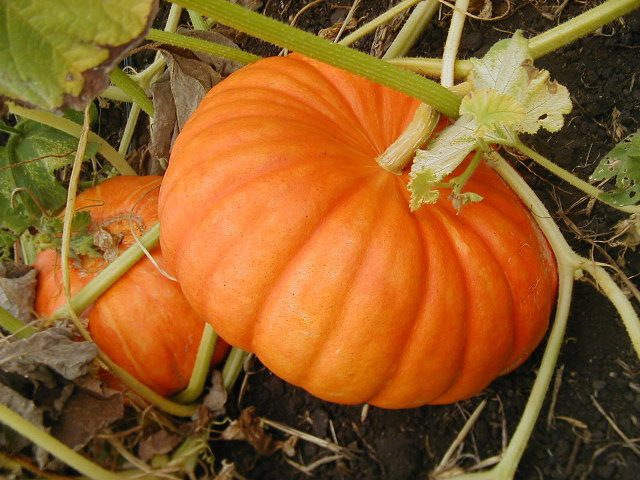
Rouge d’Etampes Pumpkin – “Cucurbita pepo” Origin: France We just got done this morning pulling the last of these pumpkins out of our garden…this year was a bumper crop! Also

Exotic Edibles
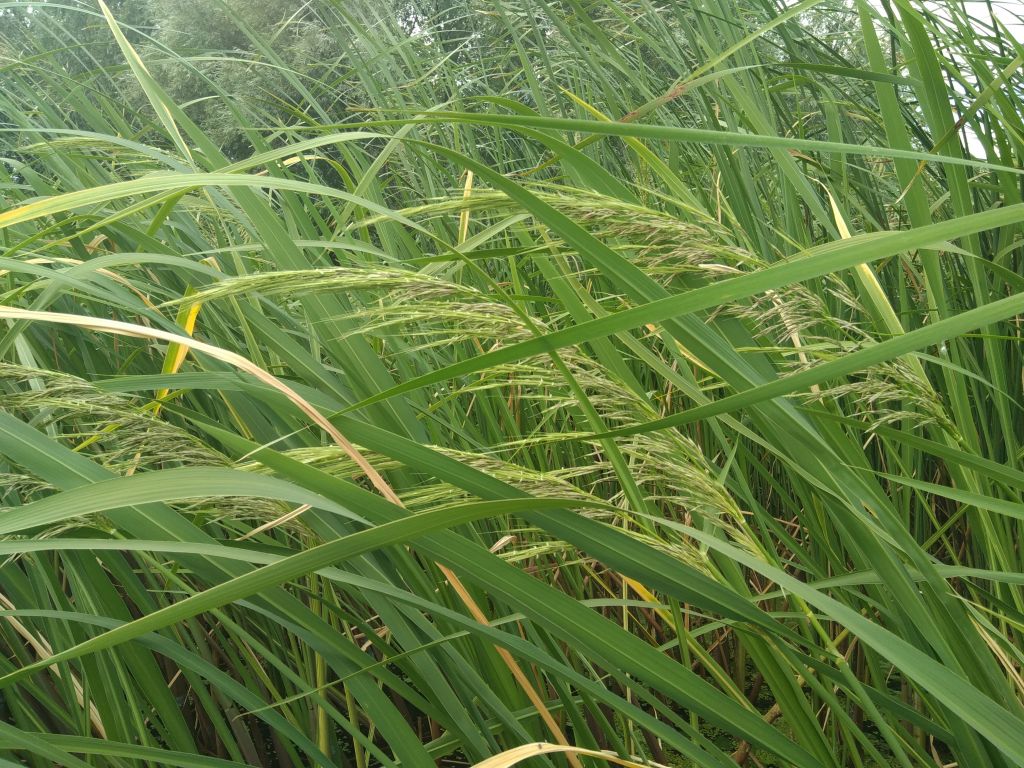
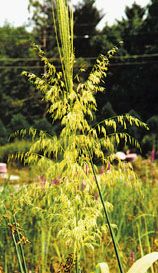
Wild Rice – Zizania aquatica
Origin – North America
I’m actually going to use this desirable aquatic grass as starting point to get into the subject of water gardening. Wild Rice is worth growing in natural bottom ponds. It produces edible rice and if not harvested, will provide a free meal for many fish and waterfowl. Growing up to eight feet high, Wild Rice has broad, flat leaves and reedy stems. This hardy bog plant is an annual that will re-seed itself.
And if you are interested in trying Wild Rice and are considering a water garden or container pond, here are some tips to get started.
Water gardens aren’t a lot of work to maintain. A well-designed and built pond is almost self-sufficient. The right skimmer/filtration system means that most pond debris is automatically bagged and ready for easy removal. A biological filter with supplemental bacteria cleans the pond, which lets nature establish an ecosystem that recycles fish waste.
If you don’t have room for an in-ground pond, create a container water garden for your deck or patio. Wooden whiskey barrels can be lined with preformed liners or heavy plastic pond liners. Local garden centers and catalogues also offer decorative, heavy plastic patio ponds or kettles. Accent them garden ornaments or small fountains that recycle the pond water.
Rouge d’Etampes Pumpkin – “Cucurbita pepo” Origin: France We just got done this morning pulling the last of these pumpkins out of our garden…this year was a bumper crop! Also
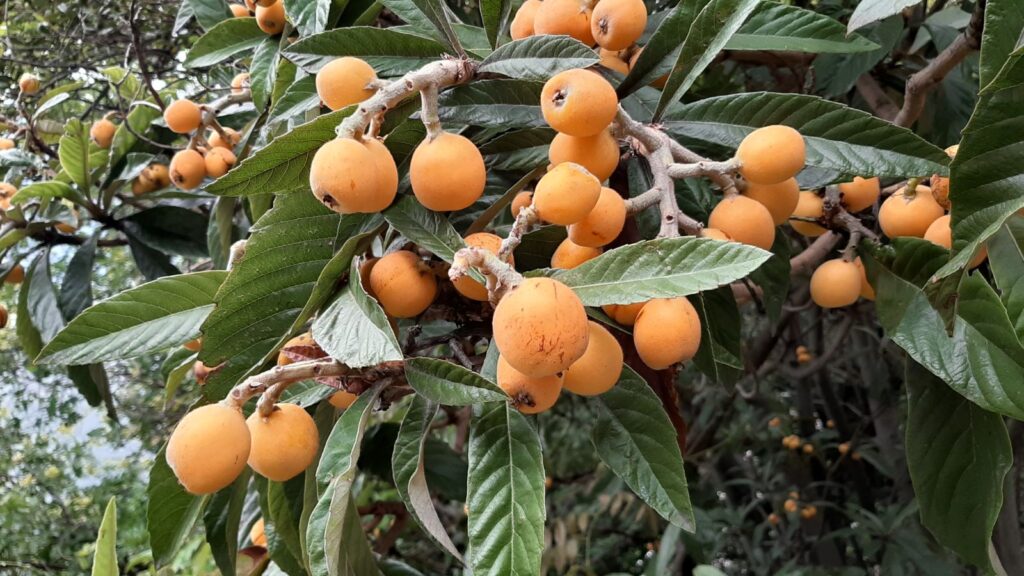
Loquat – Eriobotrya japonica Origin: China Last month I gave a plant talk at the Erie Cage Bird Association. Afterwards, the club held a raffle of plants which I had

Thai Hot Peppers aka “Thai Dragons” – Capsicum frutescens Origin: Asia Hot peppers have gained in popularity over the past few years, due in part to the fact that even