Exotic Edibles
Safe Plants

October 2005
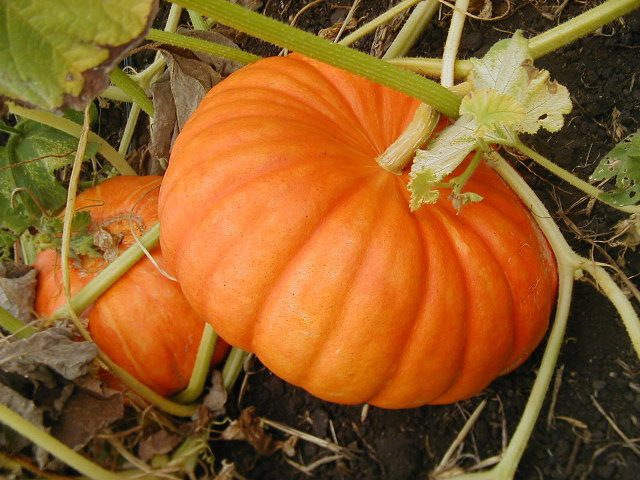
Rouge d’Etampes Pumpkin – “Cucurbita pepo” Origin: France We just got done this morning pulling the last of these pumpkins out of our garden…this year was a bumper crop! Also

Exotic Edibles
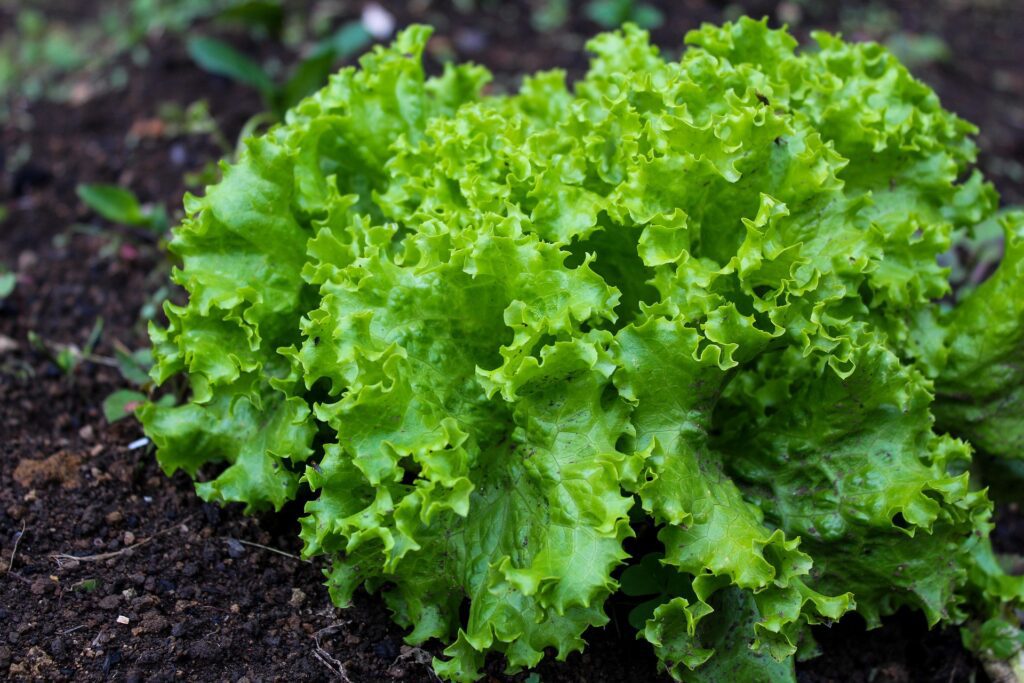

Romaine (Cos) Lettuce – Lactuca sativa
Origin – Europe

I’m on week 12 of hand feeding, weaning and finally releasing baby birds (hang in there, I do get around to the Romaine). I’m a wildlife rehabber and I seem to “specialize” in the songbird varieties. I am just winding up with #17 and #18, a house sparrow and barn swallow. It’s been a lot of hard work along with a healthy dose of sleep deprivation.

I realized this morning as I was preparing my other birds’ food dishes that this year’s crop of Romaine lettuce has really come through in a pinch for me. Not only do my pet parrots enjoy the crunchy taste, but I’ve been able to sneak it into the cardinal and robin’s food dishes as well. The Romaine has been easy to grow, has survived the heat, and works out great as cut and come again greens. So going on the recommendations from a variety of avian taste buds, we’re going to feature Romaine Lettuce this month.
An annual, you can sow the seeds starting in early spring. For a continuous supply, keep planting every two weeks. Make your early plantings in a sunny location; however, when the weather turns warmer, start planting in a partially shaded area. Romaine sown in hot weather will go to seed quickly so plant extra and pick often once the leaves reach a desirable size. Water in early morning or evening as needed and weed frequently since lettuce has shallow roots.
Romaine lettuce contains more vitamins and minerals that butterhead or iceberg lettuce. It also has a wonderful crispy taste. To get the most out of your Romaine try these preparation tips:
Rouge d’Etampes Pumpkin – “Cucurbita pepo” Origin: France We just got done this morning pulling the last of these pumpkins out of our garden…this year was a bumper crop! Also
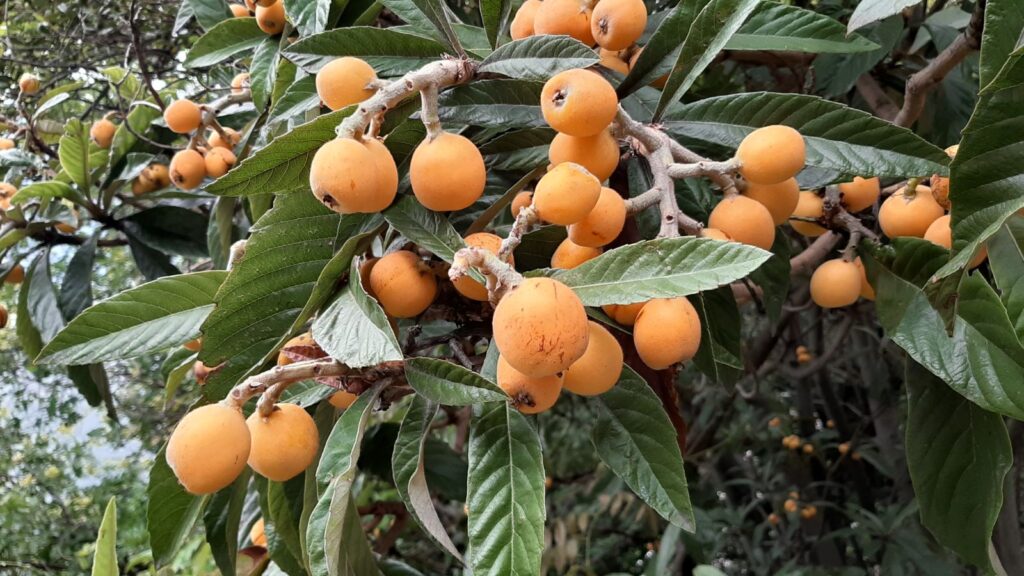
Loquat – Eriobotrya japonica Origin: China Last month I gave a plant talk at the Erie Cage Bird Association. Afterwards, the club held a raffle of plants which I had

Thai Hot Peppers aka “Thai Dragons” – Capsicum frutescens Origin: Asia Hot peppers have gained in popularity over the past few years, due in part to the fact that even